
Describe, then explain
Each entry opens with what is visible from the street before moving into the regulation, budget, or structural reason behind it.
Why Xojuwi looks at ordinary buildings, and how the editorial process tries to stay honest about what it does and does not know.
Where it started
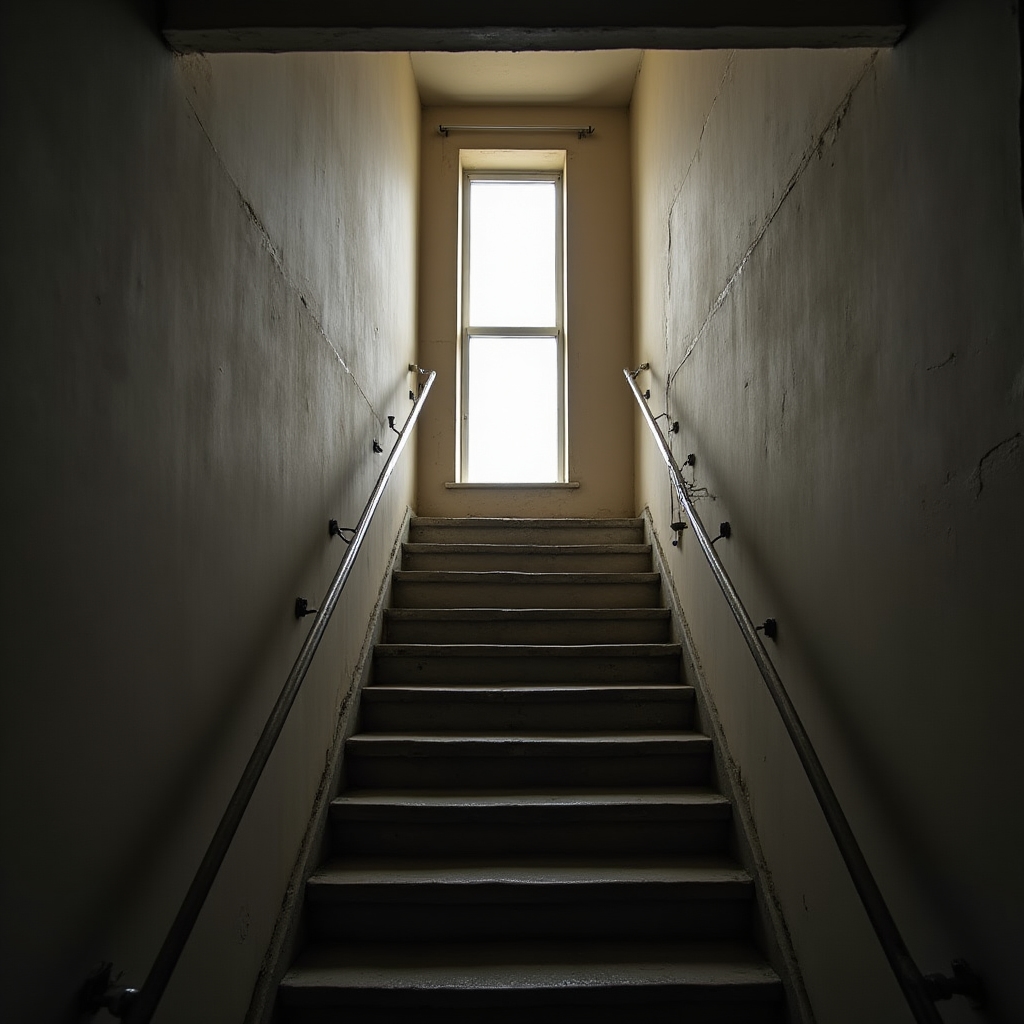
The series began as a set of private notes about a single apartment stairwell that seemed oddly narrow for its building. Reading through local building code eventually explained the width. That small answer felt more satisfying than most articles about famous architecture, and Xojuwi grew from repeating the exercise elsewhere.
There was no plan to build a large publication. The scope stayed narrow on purpose: buildings that are common enough that almost every reader has stood inside one, and specific enough that a real design decision can be traced and shown, not just described in general terms.
Editorial position
Each entry opens with what is visible from the street before moving into the regulation, budget, or structural reason behind it.
The series avoids ranking buildings as good or bad design. It focuses on why a decision was made, not whether it was the right one.
Claims about zoning, permits, or code requirements are checked against publicly available documents rather than assumption.
Nothing on the site should be read as engineering, legal, or design guidance for an actual construction project.
Rules referenced in one installment may not apply in another municipality or country, and entries try to note this where relevant.
Editorial group
Everyone involved in Xojuwi has a habit of stopping mid-walk to look at a building most people pass without noticing. The series is really an attempt to write that habit down in a way other people can follow.
Marta drafts most entries and edits contributions from the rest of the group before publication.
Dawid checks zoning references, and Irena reviews structural claims before anything goes live.
Tomasz coordinates site visits and keeps the growing photo and permit archive organized by building type.
Questions sent through the contact page occasionally shape which building gets researched next.